

Agriculture Infrastructure Fund
Why in the News?
A new campaign named ‘BHARAT’ (Banks Heralding Accelerated Rural & Agriculture Transformation) has was launched under the scheme.
Quick Facts
Purpose: To address the existing infrastructure gaps and mobilize investment in agriculture infrastructure
Type: Central Sector Scheme
Implementing Agency: National Bank for Agriculture and Rural Development (NABARD)
Tenure: Upto 2032- 33
Objective
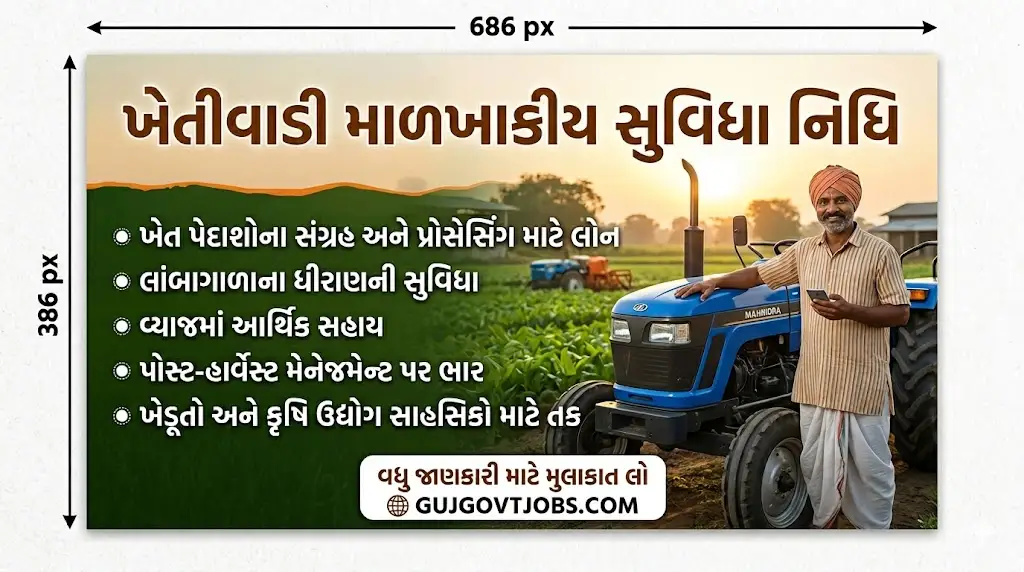
To mobilize a medium – long term debt Financing facility for investment in viable projects for post-harvest management Infrastructure and community farming assets.
Agriculture Infrastructure Fund
Salient Features
Background:
AIF was launched as part of the Atmanirbhar Bharat Abhiyan (Self-Reliant India Campaign) announced by the Centre in May 2020.
Beneficiaries
Farmers,
Primary Agricultural Credit Societies (PACS)
Farmer Producers Organisations (FPOs)
Self Help Groups (SHG)
State Agencies/APMCs
Financial assistance
Provision of Rs. 1 Lakh Crore by banks and financial institutions as loans with interest subvention of 3% per annum and
Credit guarantee coverage under Credit Guarantee Fund Trust for Micro and Small Enterprises (CGTMSE) for loans up to Rs. 2 Crores.
Eligible community assets project Projects
Projects identified for providing supply chain infrastructure for clusters of crops including export clusters.
Projects promoted by Central/State/Local Governments or their agencies under PPP.
Organic inputs production; Bio stimulant production units; Infrastructure for smart and precision agriculture.
Management and monitoring
Through an online Management Information System (MIS) platform.
National, State and District level Monitoring Committees will ensure realtime monitoring and effective feedback.
BHARAT campaign
Banks Heralding Accelerated Rural & Agriculture Transformation (BHARAT) campaign was launched to:
provide maximum benefits to the people
create a competitive spirit among the Banks and lending institutions to mobilize agriculture infrastructure projects loan at a faster pace.
Benefits
Farmers: will be able to sell in the market with reduced post-harvest losses and a smaller number of intermediaries.
Government: will be able to direct priority sector lending in the currently unviable projects. Promoting Agri-entrepreneurs and start-ups.
Consumers: will get cheap products.